Crawl Space Water Removal & Drying in Four Oaks, NC
Most Johnston County homes sit on a vented crawl space, where water hides and rots the floor. We pump it out, pull the wet insulation, and dry to the framing.
(984) 309-3140Tap to call our 24/7 dispatch line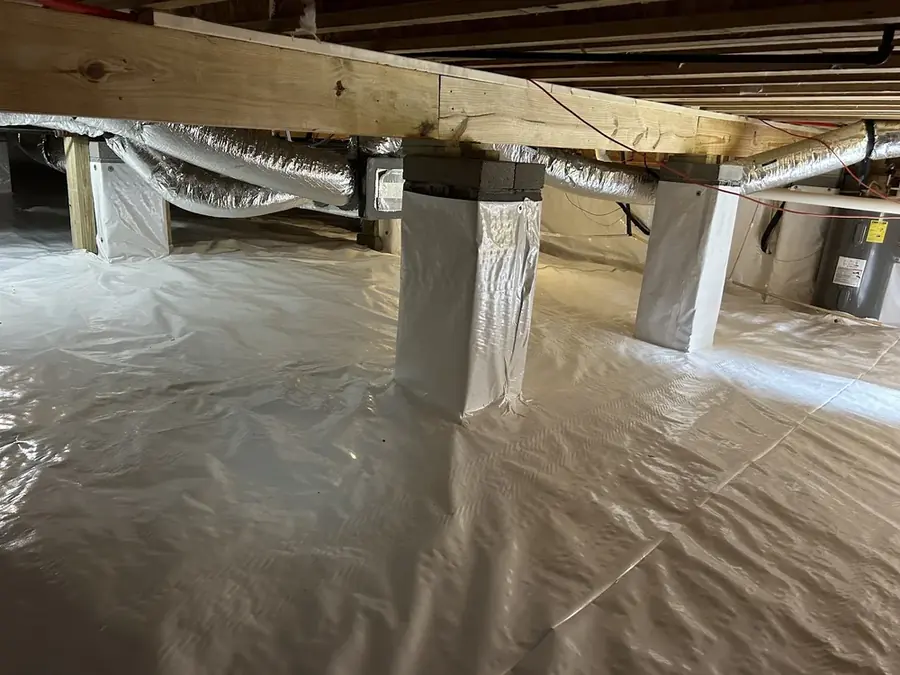
Most homes around Four Oaks sit on a vented crawl space, and that space is where a lot of the county's water damage hides. Because you rarely go under the house, standing water, wet insulation, and the smell of a damp crawl space can go unnoticed for weeks while the framing and subfloor slowly rot. Restoration Pros NC pumps the water out, removes what the water ruined, and dries the structure so the floor above stays sound. A crawl space that stays wet in humid Carolina air is a mold problem waiting to happen.
How we handle crawl space water removal and drying in Four Oaks
Call and dispatch
A real person answers 24/7 and the nearest Four Oaks crew rolls with pumps, air movers, and moisture meters.
On-site assessment
We find the source and the full reach of the water, including what soaked into subfloor, crawl space, and wall cavities.
Extract and dry
We pull the standing water, then run air movers and dehumidifiers to a verified dry standard, not just the surface.
Verify and bill
We log moisture readings until the structure is dry, then document the loss and bill your carrier directly.
How water gets under your house
The causes here are specific to Coastal Plain homes, and knowing which one you have changes the fix:
- Days of rain saturate the ground and push water in through the foundation vents and block walls
- Poor grading and blocked gutters dump roof water right against the foundation
- A plumbing leak, a burst supply line, or a failed water heater drains down into the crawl space
- A high water table after a tropical storm floods the space from below
Whatever the source, a wet crawl space raises the humidity in the whole house and gives mold a place to start, which is why the CDC guidance on mold stresses controlling moisture under the home. We find the source before we dry, so it does not simply come back.
Water spreading right now?
Standing water or a musty smell under your house? Call now and a local crew heads out with pumps and drying gear to clear it before the framing rots.
Our crawl space process
The goal is a dry, stable crawl space, not just a pumped-out one. Our crew works in order:
- Pump and extract the standing water from the crawl space
- Remove soaked insulation and the ruined vapor barrier that hold water against the framing
- Set air movers and a commercial dehumidifier to dry the joists, subfloor, and piers
- Monitor moisture daily, then replace the vapor barrier and insulation once it reads dry
Drying to a verified standard is what protects the floor system, and it ties into our structural drying program. If the water came from a storm or a septic surcharge, our storm flood cleanup crew handles the contaminated-water steps first. The EPA notes that porous materials left wet are the ones that have to go.
The floor feels fine, so why fix the crawl space
Sagging, springy floors, cupped hardwood, and a musty smell upstairs almost always trace back to a wet crawl space. By the time it shows in the living space, the joists and subfloor have been wet a long time. Drying it now is far cheaper than replacing a floor system later.
Insurance and the drying record
A sudden crawl space loss from a burst pipe or a failed appliance is often covered, while long-term seepage may not be, so documentation matters:
- Photos of the water and the source before we start
- Moisture readings logged until the framing hits a dry target
- A written scope of what was removed and replaced
- Direct billing to your carrier for covered work
"We had no idea the crawl space had standing water until the floor in the back bedroom started to feel soft. They pumped it out, hauled off the soaked insulation, and ran a dehumidifier under there for days until it was truly dry. No more musty smell."
Ophelia D. · Meadow · July 2026
Why Johnston County calls us first
On-site in 60 to 90 minutes
A person answers 24/7 and the nearest crew rolls the moment you call, day or night, across Johnston County.
IICRC-certified crews
Trained technicians with pumps, air movers, and moisture meters who dry to a verified standard, not a mop and a box fan.
We bill your insurer
We document the loss with photos and readings and work with your carrier directly, so the paperwork is not on you.
Deep local knowledge
Crawl spaces, septic drain fields, tropical-storm flooding, and clay-heavy yards. We know how water moves in Johnston County.
From Four Oaks across Johnston County
Based in Four Oaks on S Main St, we respond county-wide, day or night.
Based in Four Oaks on S Main St, our crews cover all of Johnston County and its edges, day or night, and reach most homes in 60 to 90 minutes.
We serve Four Oaks, Smithfield, Benson, Clayton, Selma, Pine Level, Princeton, Kenly, Angier, and Garner.
See every town and ZIP we serve ›Related restoration services
Four Oaks water damage questions, answered
How do I know if my crawl space has a water problem?
Common signs are a musty smell in the house, springy or cupped floors, higher humidity upstairs, and visible moisture or mold on the joists. If you can safely look, standing water or sagging, wet insulation under the house is a clear sign. Call and we will check it with meters.
Will a wet crawl space affect the rest of my house?
Yes. A vented crawl space shares air with the living space, so moisture under the house raises humidity throughout, warps floors, and lets mold start. Drying the crawl space protects the whole home, not just the space under it.
Do you remove and replace the insulation and vapor barrier?
Yes. Soaked insulation and a water-damaged vapor barrier hold moisture against the framing, so we remove them, dry the structure, and replace them once the wood reads dry.
Can you stop it from happening again?
We find and address the source, whether that is grading, gutters, a plumbing leak, or seepage, so the space does not simply reflood. For ongoing groundwater we can advise on longer-term options, but the first job is to dry it out safely.
Is crawl space water damage covered by insurance?
A sudden loss, like a burst pipe or a failed water heater draining into the crawl space, is often covered. Gradual seepage over time usually is not. We document the source and the loss so your claim is as clear as possible.
How long does it take to dry a crawl space?
A crawl space has little airflow and high humidity, so it usually takes 4 to 7 days of controlled drying with commercial equipment, longer after a deep flood. We monitor daily and only finish when the framing reads dry.
A local Four Oaks crew is standing by
Water sitting means damage spreading. Call Restoration Pros NC and a local crew is on the way, 60 to 90 minutes out across Johnston County.
(984) 309-3140Call now, a local crew picks up day or night