Storm & Hurricane Flood Cleanup in Four Oaks, NC
When a tropical system stalls over the Neuse basin, water rises fast. Call the moment it is safe, and the local crews reach most of Johnston County quickly, day or night.
(984) 309-3140Tap the 24/7 Johnston County dispatch line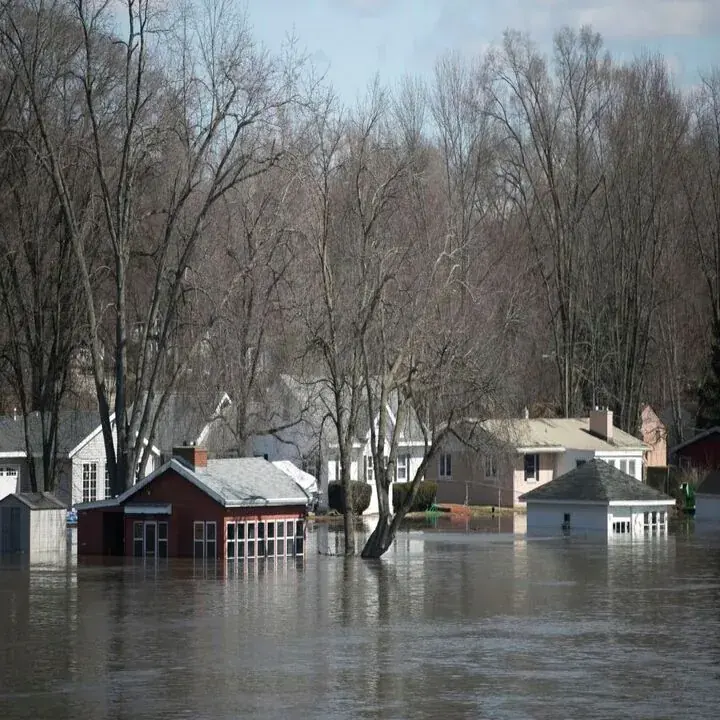
Johnston County sits on the flat Coastal Plain south of the Neuse, and the remnants of coastal storms have a way of stalling here and dropping days of rain. When Hannah Creek, Mill Creek, Black Creek, or the Neuse itself jumps its banks, floodwater pushes into homes and rises through crawl spaces before anyone can move. Restoration Pros NC answers around the clock and rolls a local crew the moment it is safe to reach you. Storm water is different from a clean supply-line leak, and it is treated as contaminated from the start.
How storm and hurricane flood cleanup is handled in Four Oaks
Call and dispatch
A real person answers 24/7 and the nearest Four Oaks crew heads out with pumps, air movers, and moisture meters.
Assess and stop it
The crew finds the source and the full reach of the water, including what soaked into subfloor, crawl space, and wall cavities.
Extract and dry
The extraction crew pulls the standing water, then runs air movers and dehumidifiers to a verified dry standard, not just the surface.
Verify and document
The drying team logs moisture readings until the structure is dry, then documents the loss with the photos and daily readings an adjuster needs to move a claim.
Storm flooding is not clean water
Floodwater that comes up from a creek or a saturated yard carries mud, lawn chemicals, fuel, and sewage from overwhelmed septic fields, so it is handled as Category 3 black water. That changes how the cleanup works:
- Standing water is pumped out and the mud line is removed, not just mopped
- Soaked drywall, insulation, and flooring that sat in flood water usually come out to a clean, dry line
- Everything the water touched is cleaned and disinfected before drying starts
- The crew photographs and log the loss the way a flood adjuster needs it
For how flood risk is mapped in this part of the state, the NC Flood Inundation Mapping and Alert Network shows river and creek gauges in real time, and the National Weather Service in Raleigh posts the watches and warnings for Johnston County.
Water spreading right now?
Water rising in your home from a storm? Get to safety first, then call. A local crew rolls the moment you call and heads across Johnston County.
Why the first day matters most
In a humid Carolina summer, wet framing and drywall can begin to grow mold within a day or two, so the gap between the water going down and the drying starting is where a bad loss gets worse. The crew works fast to stop that clock:
- Extract the standing water from floors and the crawl space
- Remove saturated, unsalvageable materials so the structure can breathe
- Set air movers and commercial dehumidifiers to pull water out of framing and subfloor
- Monitor moisture daily until the readings confirm a dry structure
Fast, thorough drying is also what stops a second problem later, and the EPA guidance on mold and moisture explains why a wet structure has to be dried, not just wiped down. Storm flooding often arrives with a failed sump or a soaked lower level too, so the basement flooding and crawl space water removal crews work the same call.
A yard that drained yesterday can still be soaked underneath
After the water recedes, the crawl space, the wall cavities, and the subfloor often stay saturated for days. That trapped water is where rot and mold start. The crew checks with meters and a thermal camera before crews call anything dry.
Insurance and flood claims
Storm and flood coverage can be split between your homeowner policy and a separate flood policy, so documentation matters. Crews help you get it right:
- Dated photos of the water line and the damage before cleanup
- A written scope of what was removed and why
- Daily moisture readings through the drying process
- Claim-ready documentation for covered work
Why Johnston County calls the local pros first
Rapid local response
Whoever answers the Four Oaks line picks up 24/7, and the nearest crew heads out the moment you call, day or night, across Johnston County.
IICRC S500 drying standard
Trained crews with pumps, air movers, and moisture meters dry to a verified standard, not a mop and a box fan.
Claim-ready documentation
The response team documents the loss with photos and daily moisture readings, the paperwork an adjuster needs to move a claim.
Local water experts
Crawl spaces, septic drain fields, tropical-storm flooding, and clay-heavy yards. The local pros know how water moves in Johnston County.
From Four Oaks across Johnston County
Based in Four Oaks, the local crews respond county-wide, day or night.
Based in Four Oaks, the local crews cover all of Johnston County and its edges, day or night, with rapid local response.
Coverage runs across Four Oaks, Smithfield, Benson, Clayton, Selma, Pine Level, Princeton, Kenly, Angier, and Garner.
See every town and ZIP covered ›Related restoration services
Four Oaks water damage questions, answered
How fast can you respond after a storm floods my house?
The response team answers live 24/7 and reach most of Johnston County quickly, day or night once it is safe to travel. During a widespread storm, call as early as you can so crews can get you in the queue and route the nearest crew to you.
Is storm flood water dangerous to touch?
Yes. Water that comes up from a creek, the Neuse, or a saturated yard is treated as Category 3 black water because it carries mud, chemicals, and sewage. Stay out of it, keep children and pets away, and let the crew handle removal in protective gear.
What has to be thrown out after a flood?
Porous materials that sat in flood water, such as carpet and pad, most insulation, and the lower section of drywall, usually have to come out. Hard surfaces, framing, and many contents can be cleaned, disinfected, and dried instead. The crew separates what is salvageable in writing.
Will my insurance cover storm flooding?
It depends on the source. Wind-driven rain is often covered by a homeowner policy, while rising surface water usually needs a separate flood policy. The response team documents everything so both claims go smoothly and document the loss for your carrier.
Do you clear mud and debris too?
Yes. The crew removes the mud line and storm debris, not just the standing water, then clean and disinfect every surface the flood touched before drying begins.
How long until my home is dry after a flood?
Most storm losses dry in 4 to 7 days depending on how deep the water got, how long it sat, and how much of the crawl space and framing were saturated. The drying team monitors moisture daily and only pull equipment when the readings confirm a dry structure.
A local Four Oaks crew is standing by
Water sitting means damage spreading. Call Restoration Pros NC and a local crew heads out across Johnston County, day or night.
(984) 309-3140Call now, the Johnston County line picks up 24/7