Water Extraction & Removal in Four Oaks, NC
Standing water spreads and soaks in by the minute. The truck-mounted and portable extractors clear it fast, then the crew maps everything the water reached.
(984) 309-3140Tap the 24/7 Johnston County dispatch line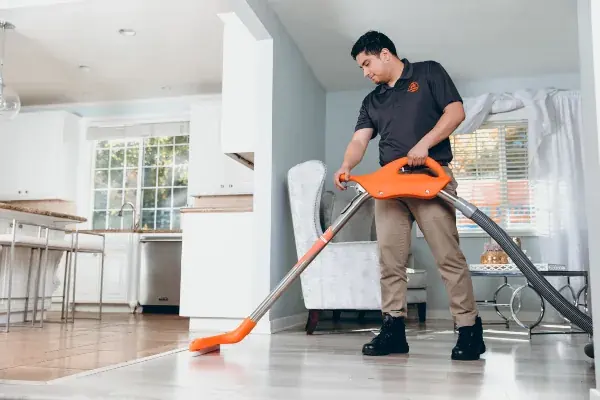
Extraction is the first and most urgent step in almost every water loss, because standing water does damage every minute it sits. It spreads across floors, wicks up walls, and soaks into subfloor and crawl space, and the longer it stays the more it ruins and the more it costs to dry. Restoration Pros NC brings truck-mounted and portable extractors that pull water out fast, then the crew maps exactly where it went so nothing gets left to rot behind a wall.
How water extraction and removal is handled in Four Oaks
Call and dispatch
A real person answers 24/7 and the nearest Four Oaks crew heads out with pumps, air movers, and moisture meters.
Assess and stop it
The crew finds the source and the full reach of the water, including what soaked into subfloor, crawl space, and wall cavities.
Extract and dry
The extraction crew pulls the standing water, then runs air movers and dehumidifiers to a verified dry standard, not just the surface.
Verify and document
The drying team logs moisture readings until the structure is dry, then documents the loss with the photos and daily readings an adjuster needs to move a claim.
Why fast extraction matters
The clock starts the moment water is loose in the house:
- Standing water spreads to every low point and soaks porous materials on contact
- Water wicks up drywall and into insulation within hours
- In humid Carolina air, a wet structure can start mold in 24 to 48 hours
- The more water removed up front, the less drying, and the smaller the loss
The IICRC sets the standard the crews follow for extraction and drying, and getting the bulk water out first is what makes the drying that follows work. Speed here is the single biggest factor in how a loss turns out.
Water spreading right now?
Standing water in your home? Call now. A local crew rolls with truck-mounted and portable extractors to pull it out before it soaks in and spreads.
How the extraction crew extracts and maps
Removing the water you can see is only half the job:
- Truck-mounted extractors clear large volumes fast from floors and carpet
- Portable extractors and submersible pumps reach basements, crawl spaces, and tight spaces
- Crews lift or remove soaked carpet and pad so the subfloor can dry
- Moisture meters and thermal imaging map how far the water wicked, so the structural drying plan covers all of it
Extraction is where a storm, a burst pipe, or an appliance failure all start, so it feeds directly into the drying phase. The EPA notes that the faster a structure is dried, the less chance mold has to take hold.
The water you can see is not all of it
A floor can look almost dry on top while the pad, subfloor, and wall base underneath are saturated. That is why crews moisture-map after extraction, so the drying targets the hidden water and not just the surface.
Insurance and documentation
Extraction is the start of the paper trail your claim needs:
- Photos of the standing water and affected area before crews start
- A written scope of what was extracted and removed
- Initial moisture readings to set the drying plan
- Claim-ready documentation for covered work
Why Johnston County calls the local pros first
Rapid local response
Whoever answers the Four Oaks line picks up 24/7, and the nearest crew heads out the moment you call, day or night, across Johnston County.
IICRC S500 drying standard
Trained crews with pumps, air movers, and moisture meters dry to a verified standard, not a mop and a box fan.
Claim-ready documentation
The response team documents the loss with photos and daily moisture readings, the paperwork an adjuster needs to move a claim.
Local water experts
Crawl spaces, septic drain fields, tropical-storm flooding, and clay-heavy yards. The local pros know how water moves in Johnston County.
From Four Oaks across Johnston County
Based in Four Oaks, the local crews respond county-wide, day or night.
Based in Four Oaks, the local crews cover all of Johnston County and its edges, day or night, with rapid local response.
Coverage runs across Four Oaks, Smithfield, Benson, Clayton, Selma, Pine Level, Princeton, Kenly, Angier, and Garner.
See every town and ZIP covered ›Related restoration services
Four Oaks water damage questions, answered
How fast should water be extracted?
As fast as possible. Standing water spreads and soaks into porous materials by the minute, and a wet structure can start mold within a day or two in Carolina humidity. Crews reach most of Johnston County quickly, day or night for exactly this reason.
What is the difference between extraction and drying?
Extraction removes the bulk standing water, and drying pulls the remaining moisture out of the structure with air movers and dehumidifiers. Extraction comes first and makes the drying far faster and more effective.
Can I just use a shop vac?
A shop vac helps for a small spill, but it will not reach the water that has soaked into pad, subfloor, and wall cavities, and it cannot move the volume a real loss produces. Commercial extractors and moisture mapping are what prevent hidden damage.
Do you remove carpet and pad?
Often yes. Wet pad holds a lot of water and slows drying, so crews lift or remove it and the carpet where needed so the subfloor can dry. The response team documents what was removed for your claim.
How do you know where the water went?
Crews use moisture meters and thermal imaging to map how far the water wicked into floors, walls, and cavities, so the drying plan covers every wet area rather than just the visible surface.
Is water extraction covered by insurance?
Extraction is part of mitigating a covered water loss, so it is typically included. The crew photographs and documents the loss from the first minute for your carrier.
A local Four Oaks crew is standing by
Water sitting means damage spreading. Call Restoration Pros NC and a local crew heads out across Johnston County, day or night.
(984) 309-3140Call now, the Johnston County line picks up 24/7